

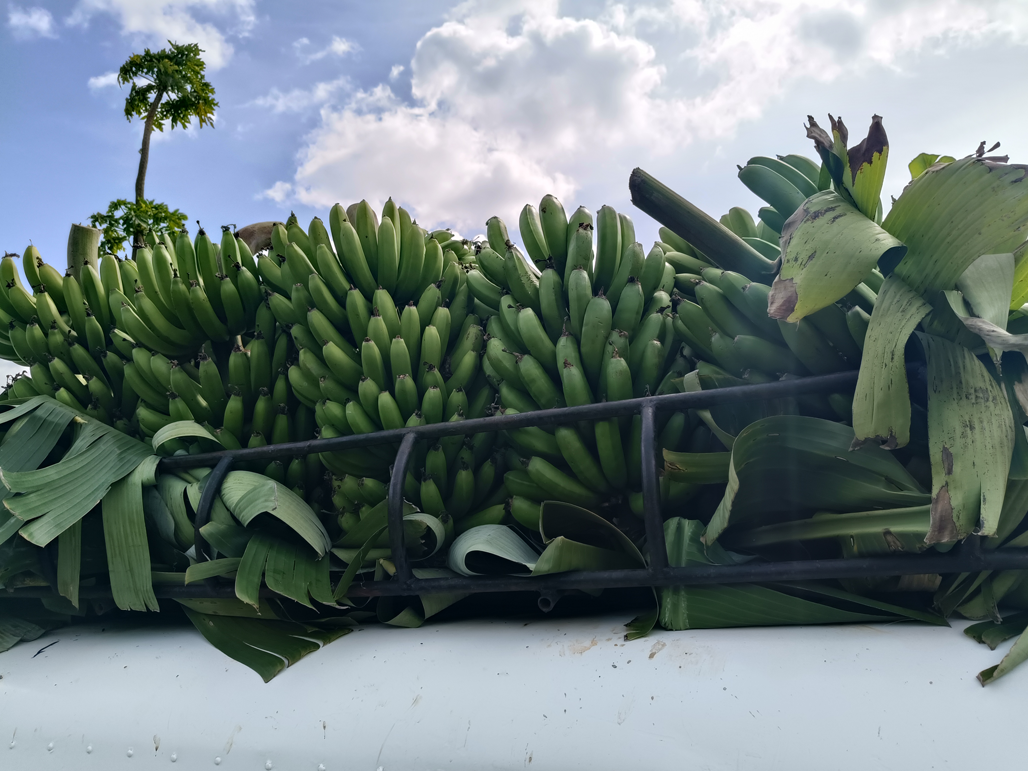
A place where bananas grow.
The gentle hills rolled into the horizon, their green slopes dotted with banana plants swaying gracefully in the afternoon breeze. As I walked along the winding paths, the earthy scent of wet soil rose from the ground, still damp from yesterday’s rain. The sound of birds chirping and the occasional rustle of leaves made the farm feel alive. This was more than just a place where bananas grew; it was a hub of opportunity and innovation.
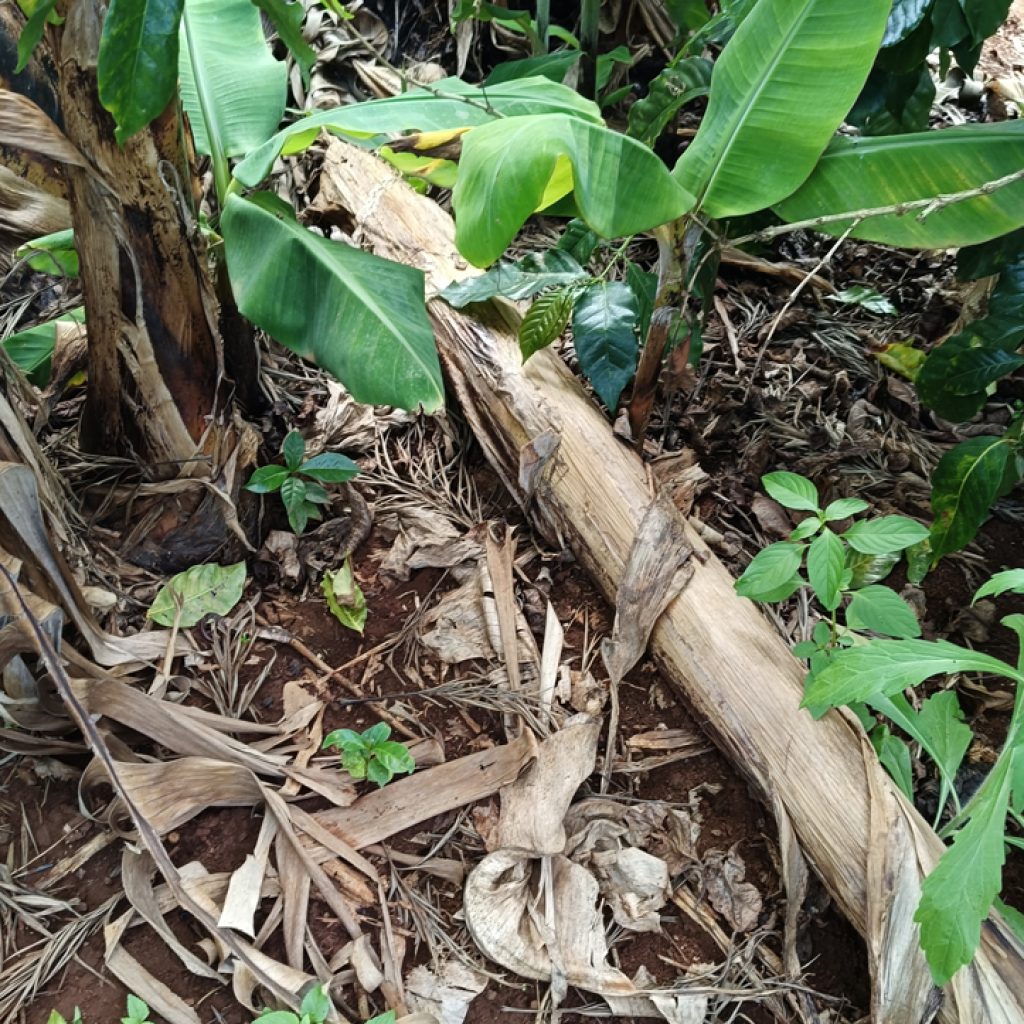
Scattered across the ground were heaps of banana pseudo stems, their thick, fibrous layers glistening slightly in the sunlight. I couldn’t help but wonder why so many were left behind. Turning to the farmer, I asked, “Why are these stems lying around? Don’t they serve any purpose?”
The farmer, a middle-aged man with a warm smile and calloused hands, explained, “Most of the time, these stems are treated as waste. Once we harvest the bananas, the stems are cut down to make way for new growth. You see, a banana plant only produces fruit once in its lifetime. After that, it has to be cut down so that new shoots can grow and produce more bananas. Some of the stems, a small portion, are fed to the cows because they contain moisture and some nutrients. But the majority is left to rot on the ground.
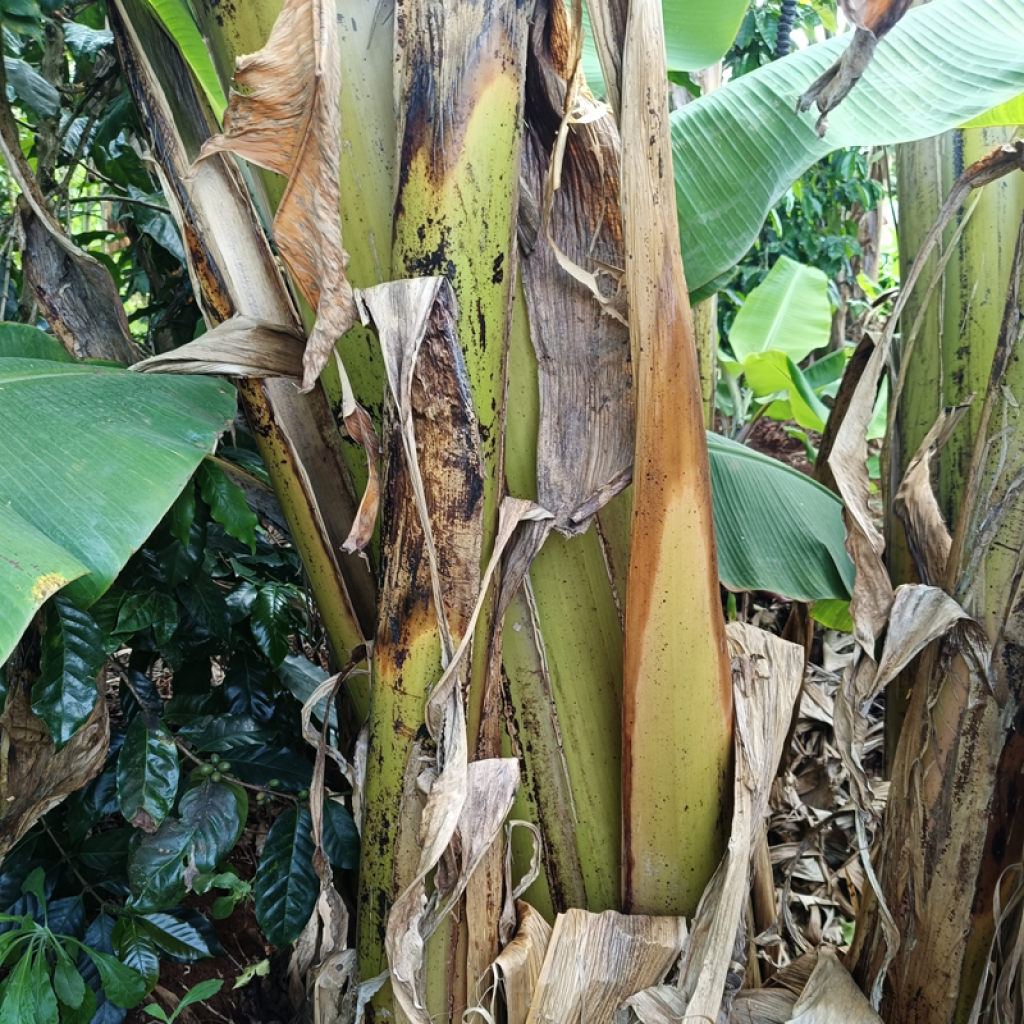
He bent down, picked up a piece of the stem, and peeled it to reveal long, shiny fibers hidden within. “These fibers are strong, natural, and very versatile. We can use them to make cloth, paper, and even ropes. What was once waste can become a source of income for many farmers.”
Banana Fiber Production.
Banana fiber production aligns with Africa’s goals for sustainable development and green industrialization. In countries like Kenya, where agriculture is a key economic driver, this initiative can empower rural communities, especially women and youth, by creating employment opportunities in fiber extraction, processing, and artisanal crafts. Moreover, it supports the circular economy by converting waste into high-value products.
The Production Process
- Harvesting the Pseudo stems: After bananas are harvested, the pseudo stems are cut and collected.
- Fiber Extraction: The extraction process involves either manual peeling or the use of decorticator machines to separate the fibers from the outer layers of the stem.
- Cleaning and Drying: The extracted fibers are cleaned to remove impurities and then dried, either naturally under the sun or through mechanical drying systems.
- Spinning and Weaving: Once dried, the fibers are spun into yarn or woven into fabrics, depending on the end use.
How Can Banana Fiber Be Used?
- Clothing and Fabrics: Banana fiber can be used to make clothes, curtains, and other fabrics. It can feel rough (good for ropes and mats) or smooth (great for soft fabrics).
- Paper: High-quality paper can be made from banana fiber, perfect for eco-friendly products.
- Building Materials: Strong and lightweight, banana fiber is used in making materials for cars and construction.
- Handmade Items: Craftspeople use banana fiber to make bags, baskets, and decorations.
Benefits for Farmers.
Farmers who grow bananas can make extra money by selling the stems for fiber production. This gives them more income while reducing waste and helping the environment. Letting the stems rot releases methane, a harmful greenhouse gas, and contributes to environmental degradation. By repurposing these stems into banana fiber, farmers not only prevent pollution but also help conserve natural resources and reduces reliance on synthetic, non-biodegradable materials, making it a truly sustainable option.
Challenges and Opportunities
Some challenges include improving the tools used to extract fibers and making more people aware of banana fiber products. But as demand for sustainable materials grows, there are plenty of chances for businesses and communities to benefit from this industry.
Conclusion
Banana fiber production is a simple yet powerful way to help the planet and create jobs. By turning waste into useful products, it shows how traditional farming and modern ideas can work together to build a better future.
In places like Kenya and Africa, banana fiber production can reduce waste, create jobs, and open up new markets. The next time you think about sustainable products, remember how the humble banana plant can make a big difference.
To explore more about banana fiber products or find DIY and craft supplies, visit our website.
Follow us on Facebook and Instagram
Click here to see more listings