

Ceramic Glaze in Kenya – Traditional and Modern Methods of Glazing Pottery
Glazing is the process of applying a thin, glass-like coating to the surface of a ceramic piece before its final firing in the kiln. This coating not only makes the item water-resistant and safe for food use, but it also adds color, gloss, or texture, turning a plain pot into a beautiful and functional work of art.
In Kenya, ceramic glazing has evolved over time from simple, unglazed cooking pots to the colorful, modern designs made by today’s artists and studios. Whether you’re making a pot for cooking, a mug for everyday use, or a decorative item, glazing protects your pottery and enhances its beauty.

Unglazed Pottery

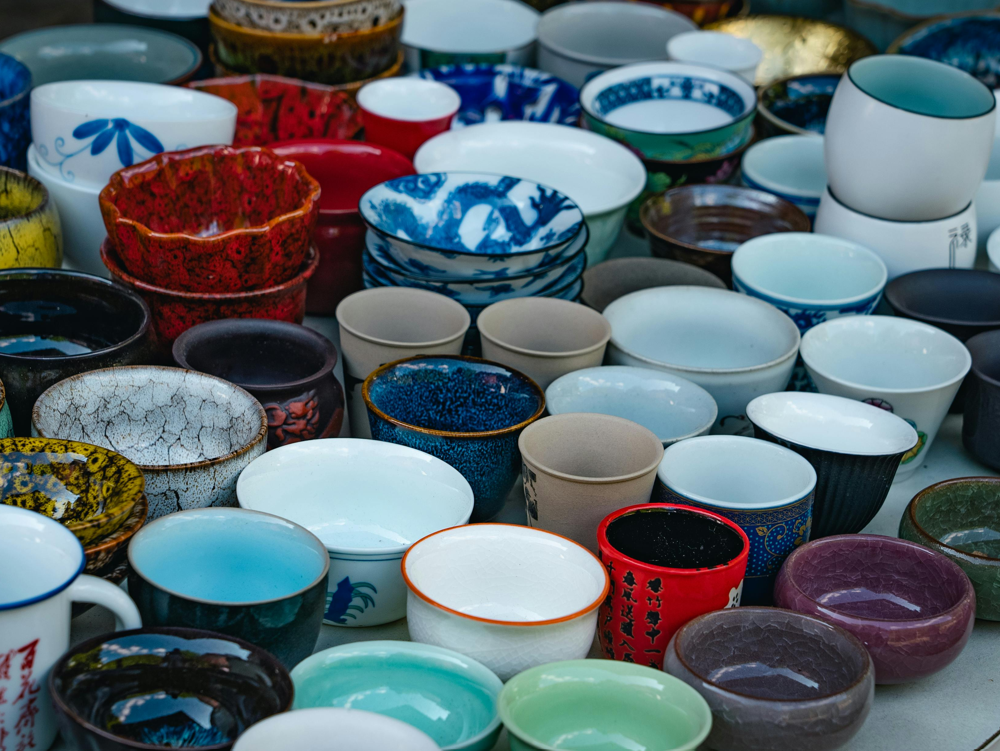
Glazed Pottery
Traditional Pottery Techniques in Kenya
In many Kenyan communities, especially in rural areas, unglazed clay pots have been used for generations. They’re commonly used for:
- Cooking over open wood fires
- Storing water, oil, or fermented foods
These pots are usually made from semi-porous earthenware clay, shaped by hand and fired in open kilns at lower temperatures (around 600–900°C), without any glaze.

Traditional Pottery open firing among the Kikuyu Source Routledge 1910
What Happens During Traditional Firing?
Because the firing temperature is relatively low:
- The clay stays slightly porous, allowing liquids to seep through slowly
- This breathable structure helps keep stored water cool
- However, it also increases the risk of bacterial or fungal growth
How Communities Kept Pots Clean and Safe
Despite being unglazed, traditional pots were hygienically maintained using local knowledge and practices:
- Frequent Use & High Heat: Cooking regularly sterilized pots, killing any microbes inside.
- Safe Water Storage: Water pots (like kyungu or Kisii pots) were kept covered and elevated to stay clean and cool.
- Natural Cleaning: Pots were scrubbed with ash, sand, or sisal fibers. Wood ash is alkaline and naturally antimicrobial, helping kill bacteria. Pots were also sun-dried or reheated after cleaning.
Cultural Exchange: The Introduction of Glazing in Kenya
As trade routes expanded across East Africa, pottery techniques from other parts of the world began to influence local traditions. This included intentional glazing methods, especially:
🔥 Wood Ash Glazing
- Clay pots were fired with wood from local trees like eucalyptus, jacaranda, or indigenous hardwoods.
- During firing, the ash settled on the pots, melted, and created a natural glaze.
- The look and color varied depending on the minerals in the wood, making every piece unique.
🧂 Salt Glazing
- Salt was added to the kiln during firing.
- The salt vapor reacted with the clay to form a glossy, orange-peel-like texture.
- This method was especially used by potters with access to high-temperature kilns.
Today, these methods are still used by:
- Rural artisan potters
- Contemporary ceramic artists
- Pottery schools and heritage workshops
They’re respected for their natural beauty and connection to local materials, though the results are often less predictable and harder to control for specific patterns or detailed decoration.

Modern Glazing Techniques in Kenya
With the growth of the ceramic arts in Kenya, many potters are now exploring modern glazing materials that offer:
- Vibrant colors
- Precise designs
- Durability for daily use
Modern glazes are commercially prepared and available in a variety of finishes from glass-like gloss to soft matte or even metallic looks. They’re perfect for:
- Functional pottery like cups, bowls, and plates
- Custom artwork
- Decorative home décor
Modern Glazing Techniques You Can Try
1. Dipping Glaze
- The pottery is dipped into a bucket of glaze for an even, all-over coat.
- Great for uniform finishes and production pottery.
- Layers can be built up with multiple dips or resist patterns.
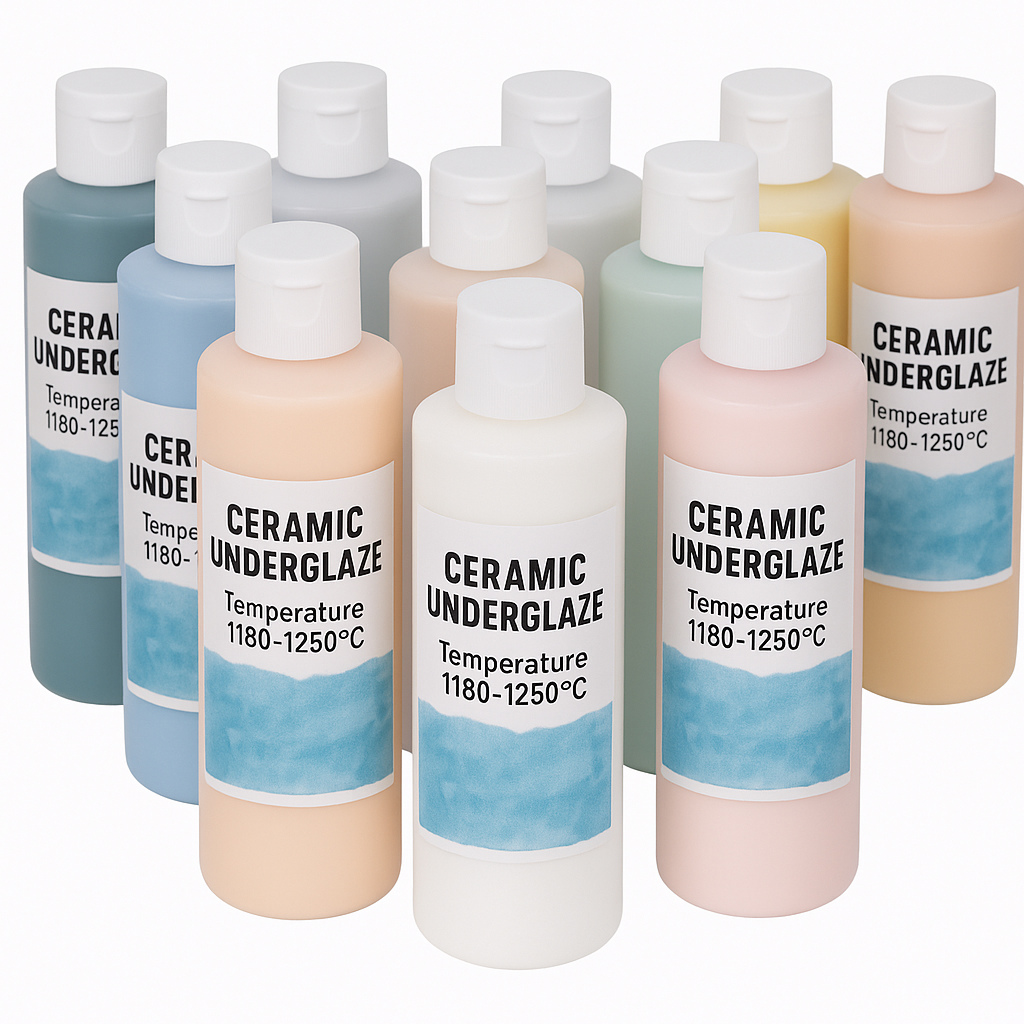
2. Brush-On Underglaze
- Works like paint! Use a brush to apply detailed designs and multiple colors before adding a top glaze.
- Allows for drawing, lettering, or color blocking.
- Doesn’t run or smudge when fired under a clear glaze.
3. Clear Gloss or Matte Topcoat
- Applied over underglaze or bare clay to seal and finish your work.
Most modern glazes are easy to clean, non-porous, and safe for food use when properly fired.
🛒 Where to Buy Ceramic Glazing Supplies in Kenya
You can now get modern glazing supplies locally through our store:
- ✔️ Brush-on underglazes in many colors
- ✔️ Clear gloss topcoats
- ✔️ Application tools and brushes
- ✔️ Compatible with electric kilns and studio kilns
🛍️ [Shop Ceramic Glazes and Tools in Kenya ]
Blending Old and New: A Kenyan Ceramic Story
Today’s potters in Kenya are creating pieces that honor tradition while using modern techniques. For example:
- A wood-fired clay pot may be decorated with a detailed brush-on underglaze pattern.
- A traditional shape can be finished with a smooth matte glaze for a contemporary look.
This balance between heritage and innovation is what makes the Kenyan ceramic scene so rich and exciting.
Visit Handmade Soko to explore more pottery tools and other DIY and craft supplies.
Follow us on Facebook and Instagram
Talk to us on whatsapp here.
Pottery tools and accessories available in Kenya at Handmade Soko online store.




Featured Images Source: Pexels