


Beads, Banana Bark & Beyond: Kenyan Materials That Inspire Artisans
In every handmade creation lies a story—not just of the maker, but of the materials that brought it to life. Kenya is home to a vibrant ecosystem of natural, recycled, and locally sourced materials that continue to shape the country’s thriving craft culture. From the shimmer of Maasai beads to the rustic texture of banana bark, let’s explore the raw materials that make Kenyan handmade products truly special.
1. Beads: More Than Ornament

Beads are perhaps the most iconic element of Kenyan craft, especially in Maasai and Samburu culture. Used in jewelry, accessories, and even home decor, beads carry symbolic meanings, denote identity, and celebrate tradition.
- Material: Glass, bone, plastic, recycled paper
- Inspiration: Beads are often used to tell stories or reflect personal milestones—birth, marriage, status.
Image Source: https://www.handmadesoko.co.ke/listings/maasai-beads/
2. Banana Bark: Rustic, Sustainable Beauty
Once discarded, banana bark is now a sought-after eco-material for crafts. It’s dried, flattened, and used to create everything from journal covers to lampshades and wall art.
- Material: Outer bark of banana stems
- Why artisans love it: Natural texture, flexibility, sustainable sourcing
Image source: https://africaimports.com/banana-leaf-artwork/

3. Soapstone: From Quarry to Sculpture

Soapstone is a soft stone used for crafting elegant home decor, sculptures, and kitchenware.
- Material: Kisii soapstone (locally called “kisii stone”)
- Artisan appeal: Easy to shape, takes on polish well, each piece is unique
Image source: https://www.instagram.com/houseofsoapstonedesigners/
4. Sisal: Strong, Versatile & Stylish
Traditionally used in rope and basket-making, sisal has found its way into fashion accessories, decor, and textile art.
- Material: Fibers from the agave plant
- Why it’s great: Durable, dyeable, biodegradable
Image Source: https://www.handmadesoko.co.ke/listings/sisal/

5. Recycled Materials: Creativity with a Conscience
Kenyan artisans are masters of upcycling—transforming discarded objects into beautiful, functional art.
- Popular recyclables: Flip-flops, metal scraps, glass bottles, plastic containers, old magazines
- Applications: Jewelry, wall art, toys, furniture
- Why it matters: Promotes sustainability and resourcefulness
6. Leather: Traditional Meets Contemporary

Leatherwork in Kenya blends tradition with modern design, creating bags, sandals, journals, and jewelry.
- Material: Cowhide, goat leather (often vegetable tanned)
- Why artisans love it: Durable, molds with age, timeless aesthetic
Source Image: https://www.handmadesoko.co.ke/listings/genuine-embossed-leather/
7. Wood: Carved by History
Wood carving has deep roots in coastal and upcountry Kenya. From functional utensils to decorative sculptures, wood remains a staple.
- Material: Mahogany, ebony, olive wood, bamboo among others.
- Artisan appeal: Natural grains, strong yet workable, readily available.
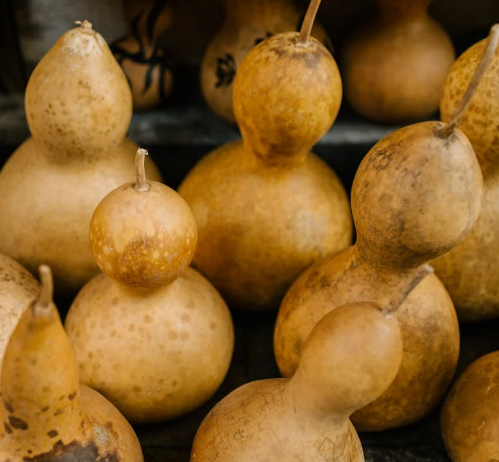
8. Natural Gourds: Hollow Nature’s Canvas
Dried gourds have long been used as containers, instruments, and decorative pieces. Artists now etch, carve, and paint them for modern use.
- Material: Calabash gourds
- Why it’s great: Lightweight, naturally shaped, biodegradable
Image Source: https://www.handmadesoko.co.ke/listings/natural-dried-gourd/
9. Coconut Shells: Tropical Treasure
Often overlooked, coconut shells are polished, cut, and transformed into buttons, jewelry, and bowls.
- Material: Hard outer shell of coconuts
- Artisan appeal: Unique texture, rich brown tones, sustainable reuse
10. Cowrie Shells: Symbols of Wealth and Spirit
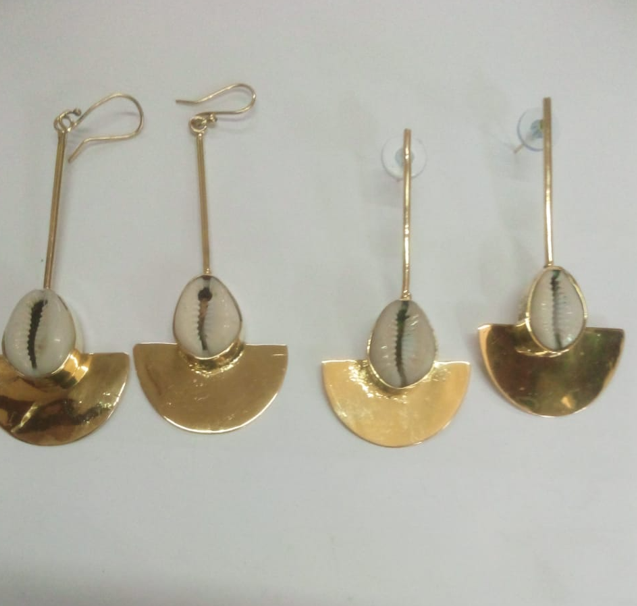
Used as currency and jewelry for centuries, cowrie shells still hold spiritual and aesthetic significance in Kenyan crafts.
- Material: Natural marine shells
- Why artisans love them: Symbolic meaning, shine, cultural heritage
Image Source: https://www.handmadesoko.co.ke/listings/handmade-african-brass-earrings-with-cowrie-shells/
11. Recycled Fabrics: Textile with a Past
From offcuts to old clothing, recycled fabrics bring texture, history, and sustainability to modern crafts.
- Material: Cotton, kitenge, denim, mixed blends
- Uses: Quilting, patchwork, toy making, fashion accessories
12. Clay: Shaping Culture with Earth
Clay is one of the oldest materials used by Kenyan artisans, especially in pottery and sculpture. It connects deeply with tradition while allowing for endless artistic expression.
- Material: Natural clay from riverbanks and quarries
- Why artisans love it: Moldable, long-lasting, traditional and modern versatility
Image Source: https://www.handmadesoko.co.ke/listings/business-category/sculpting-and-forming/

Final Thoughts
Behind every handmade item is a connection—to the land, to history, and to the artisan’s imagination. These materials aren’t just raw inputs—they’re vessels of culture and creativity. So the next time you pick up a beaded bracelet or a banana bark journal, remember: you’re holding a little piece of Kenya’s natural soul.
Looking to source any of these materials? Reach out to us—we’re happy to point you in the right direction.
Are you a maker? List your handmade products on our site to reach more buyers. For art lovers and shoppers, explore our growing collection of unique Kenyan creations at www.handmadesoko.co.ke.
Know a unique Kenyan material we should feature next? Share it in the comments or tag us on social media using #handmadesoko
Follow us on Facebook and Instagram
Click here to see more listings